Instrumentation Technology
As machines get more advanced, we need technicians to keep them working. In the instrumentation program, you'll learn to work with industrial computers. You'll practice installing, fixing, and maintaining control systems, getting the skills you need for a career.
Why study Instrumentation Technology at San Jac?
Train in Industry-Level Labs
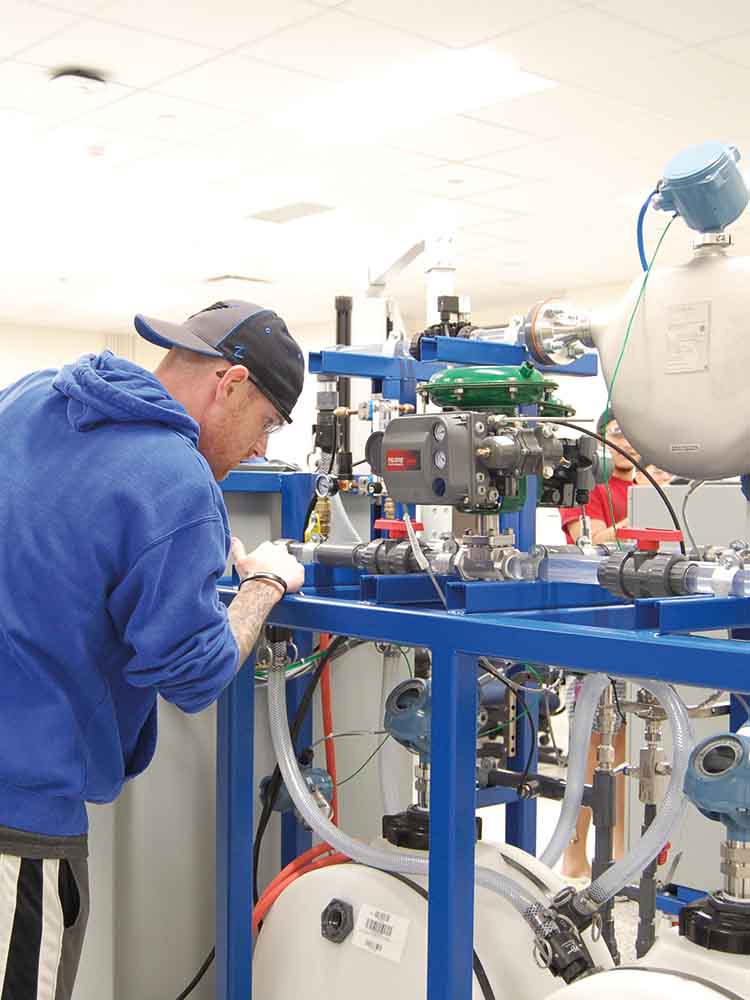
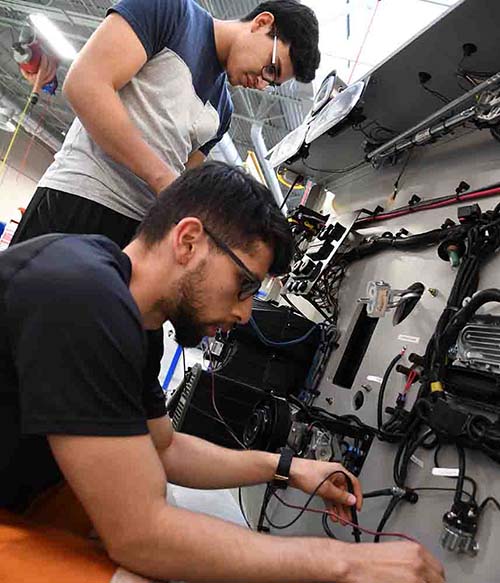
The Instrumentation program is taught in advanced labs designed for hands-on learning. You’ll train with tools and technology used in today’s industrial jobs.
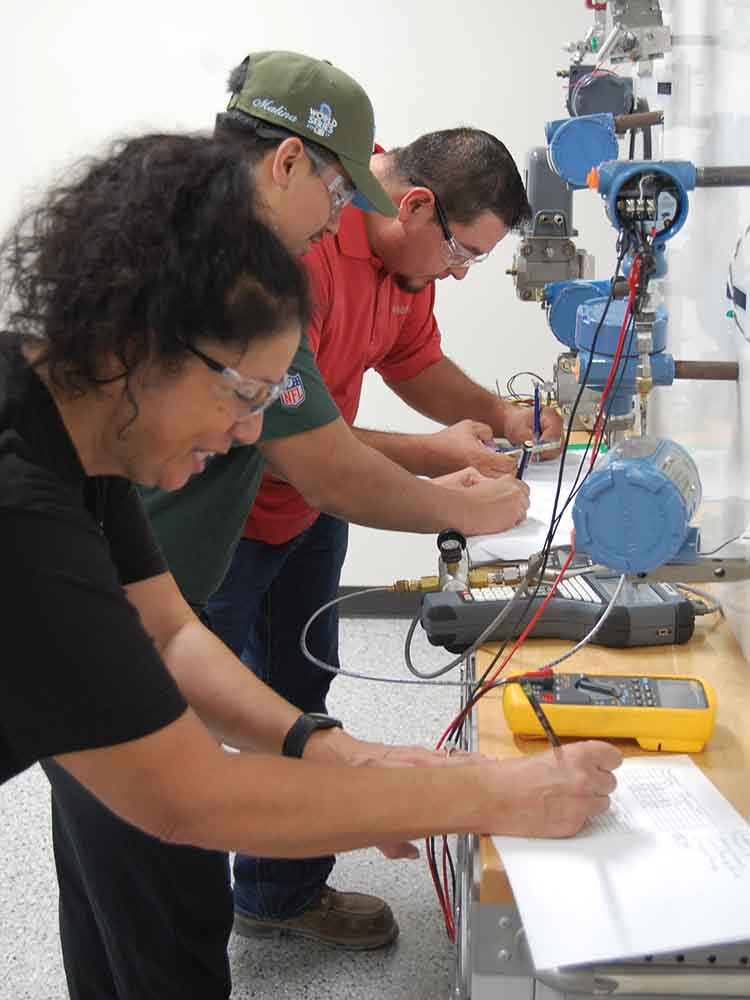
Learn by Doing
Our program is more than just lectures. Practice installing, calibrating, and troubleshooting instruments through hands-on labs and real-world process systems.
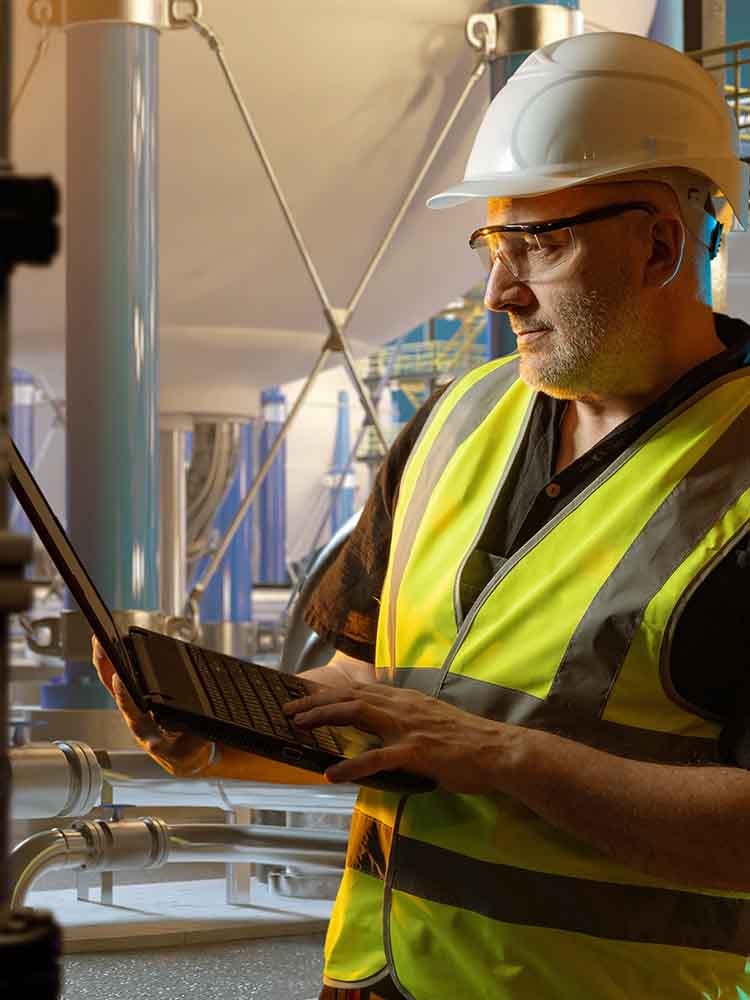
Follow a Clear, Stackable Pathway
Find the route that works for you. You can start with a certificate or enroll directly in the AAS degree. Each step adds skills, so you can progress at your own pace while earning credentials along the way.
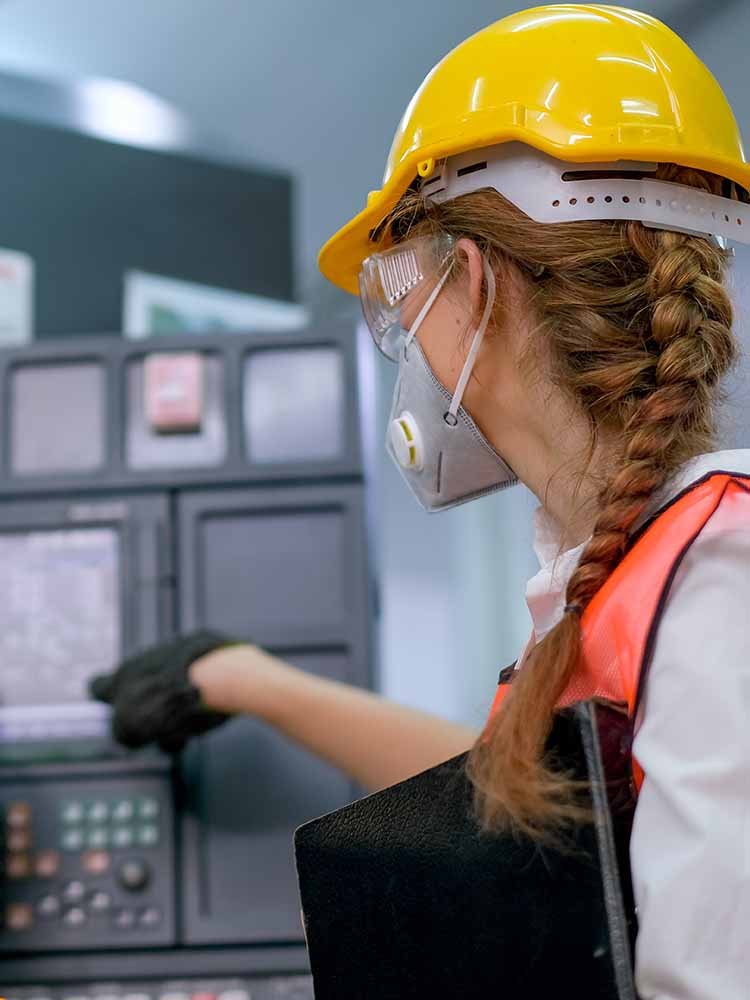
Keep Advancing Your Skills
Turn your interest in electronics into a career. After earning your AAS degree, expand your expertise in PLCs and instrumentation with our Enhanced Skills certificates designed to help you stay current and grow in your field.
 Play Video
Careers
As an instrumentation technician, your skills can be used in:
- Chemical plants
- Refineries
- Pipeline companies
- Power plants
- Water treatment facilities
- All types of manufacturing plants
DEGREES & CERTIFICATES
Instrumentation Technology for Advanced Programmable Logic Controllers, Enhanced Skills Certificate
Instrumentation Technology, AAS
Instrumentation Technology, Enhanced Skills Certificate
Instrumentation Technology, Level 2 Certificate
CAREER TRACKS
The content below shows a flowchart of the career tracks.
After San Jacinto College

Sounds great, but how do I apply?
Your Questions Answered
Instrumentation skills are in demand, especially in industries along the Gulf Coast. Many employers are looking for trained technicians.
Graduates often work as instrumentation technicians, control systems technicians, or maintenance technicians. These careers are in demand in industries like petrochemical plants, refineries, and manufacturing facilities.
With experience, you may move into roles like lead technician, supervisor, or specialized
technician positions.
Yes. You can begin with the Instrumentation Technology Level 2 Certificate and continue
into the Associate of Applied Science (AAS) degree. This pathway lets you build your
skills step by step while working toward your degree.
After you earn your AAS degree, you can continue on your educational journey with
our Enhanced Skills certificates.
After completing the AAS degree, graduates start employment in their new career. After gaining work experience, you can further enhance your skills by earning additional certificates, including:
- Instrumentation Technology for Advanced Programmable Logic Controllers, Enhanced Skills Certificate
- Instrumentation Technology, Enhanced Skills Certificate
This structure allows you to progress through each level, gain industry-relevant skills
along the way, and continue building your expertise after completing your degree.
Access World-Class Training Facilities
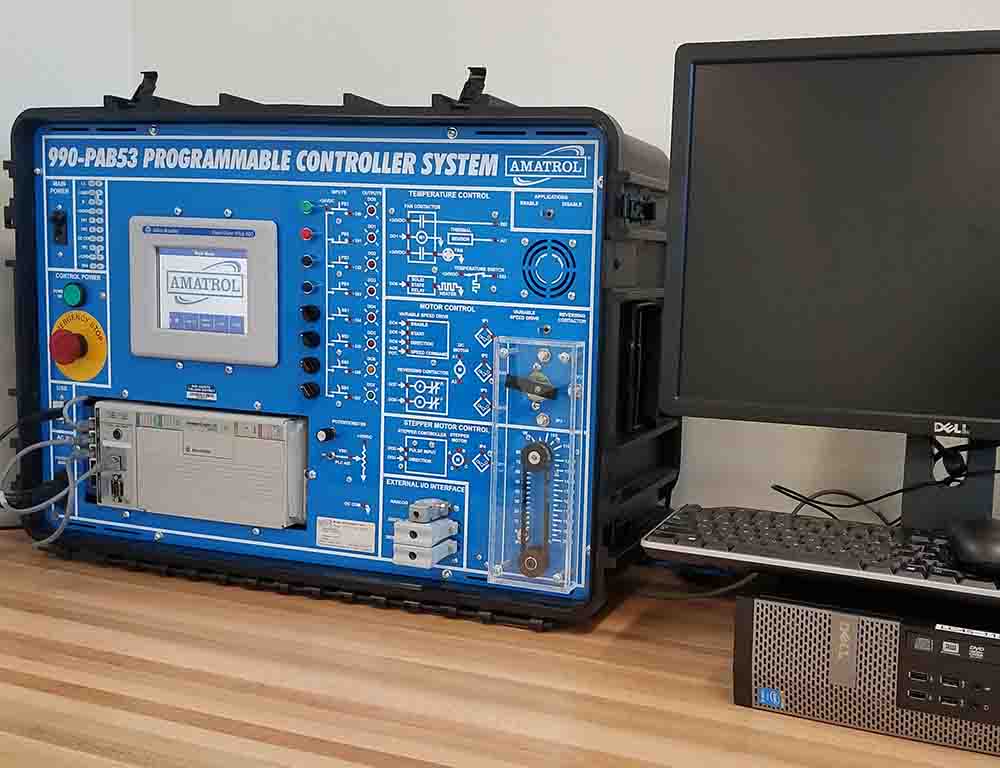
Programmable Logic Controller (PLC) Lab
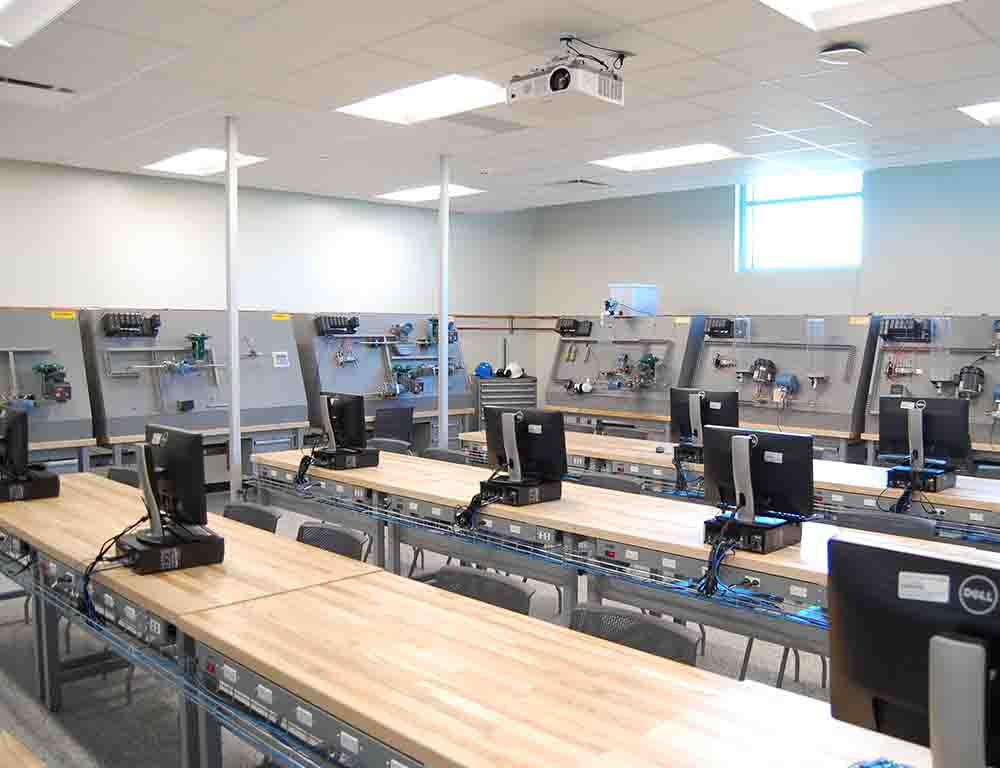
Digital Control System (DCS) Lab
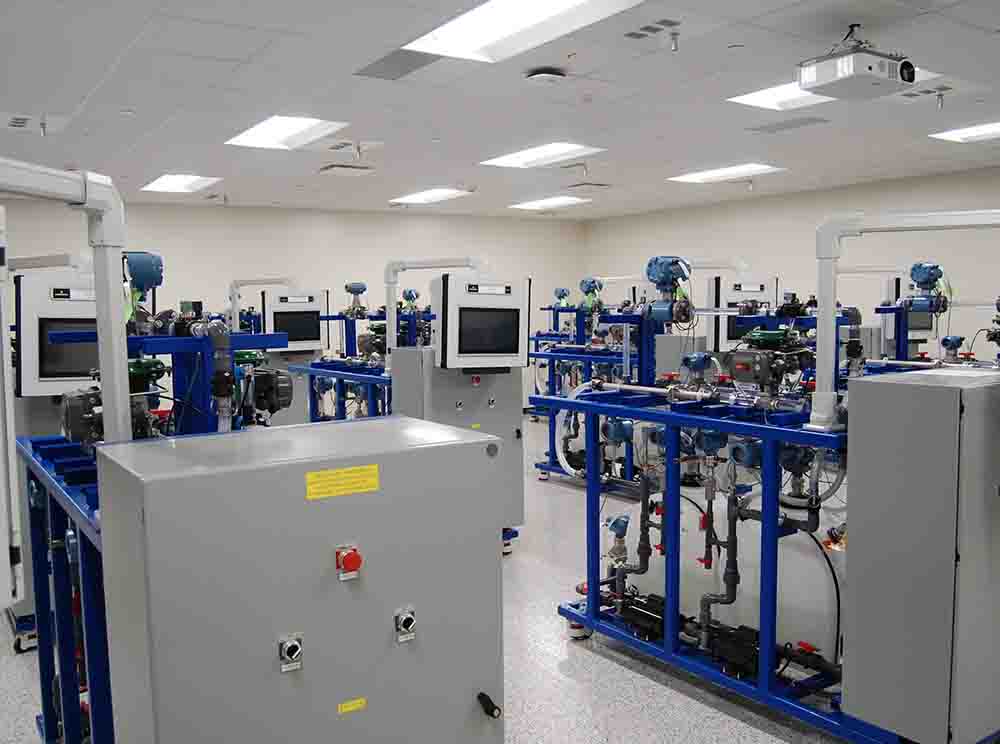
Emerson Instrumentation Labs
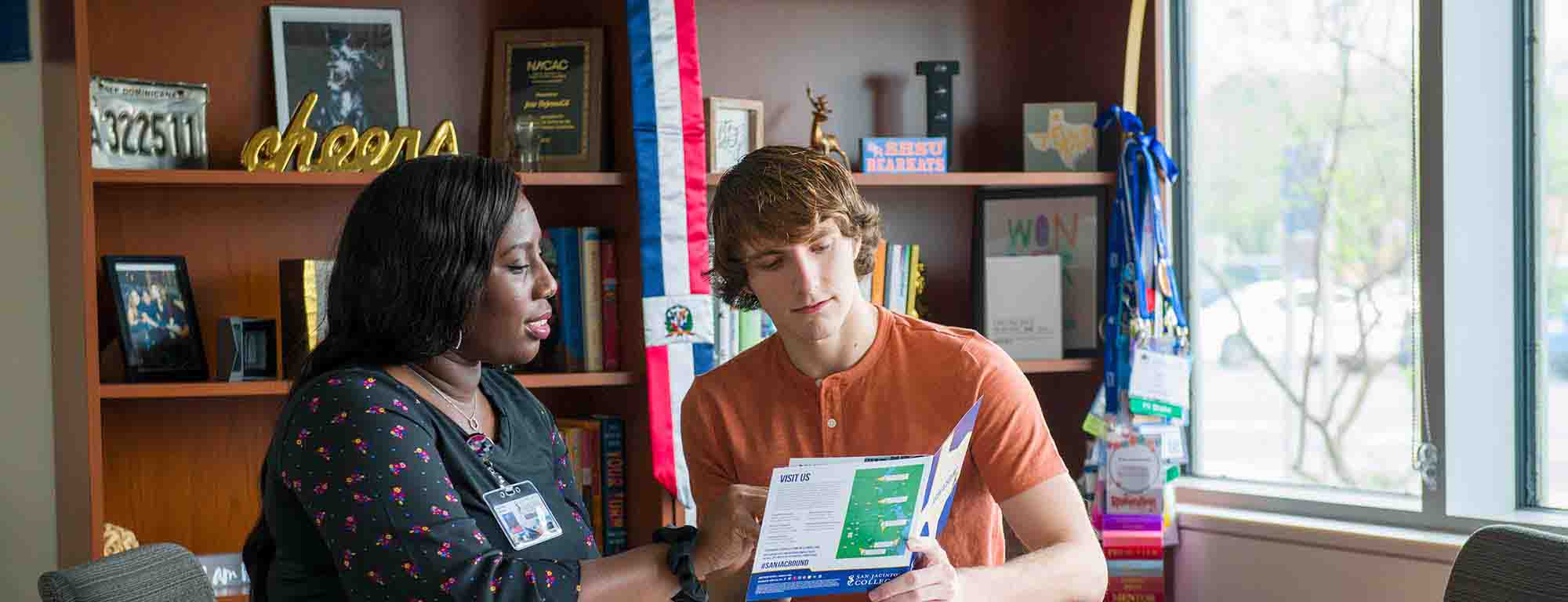
Support for your studies
Related Programs